Honoring Women’s History by Centering Women’s Mental Health
March is a time to celebrate Women’s History Month to honor the leadership, resilience, innovation, and contributions of women across generations. At The Steve Fund, we also recognize that celebrating women means acknowledging the realities that shape their well-being, especially the mental health experiences of young women as they navigate education, work, caregiving, and community responsibilities.
Women comprise more than half of the U.S. population and account for nearly 60% of undergraduate enrollment and completion. They are leading in classrooms, shaping the workforce, and serving as the backbone of families and communities. Yet women are also disproportionately impacted by systemic pressures:
- Women are significantly more likely to live in poverty, influenced by wage gaps, occupational disparities, and single-head-of-household dynamics.
- Approximately 60% of unpaid caregivers are women, and women spend substantially more time providing daily care than men.
- Nearly one in five female workers also carries caregiving responsibilities.
These realities matter because financial strain, caregiving burdens, and inequitable workplace experiences directly affect mental health.
The Intersectional Experience of Women
For women from underserved and under-resourced communities, these pressures are often intensified by race, gender, and cultural expectations.
Data from UNCF cohorts highlights the weight many Black women students carry:
- 83% report feeling the need to present an image of strength sometimes or at all times.
- 76% report feeling that no matter how hard they work, they should be doing more.
This “Superwoman” expectation, the pressure to excel, endure, and remain resilient without pause, can mask stress, anxiety, depression, and burnout. While strength is a powerful legacy, constant overperformance is not sustainable.
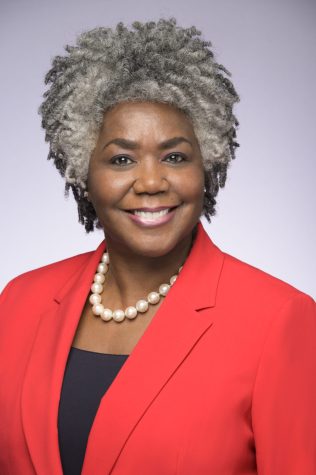
“For many young women, the expectation to be strong at all times can prevent them from acknowledging when they need support,” says Dr. Annelle Primm, Senior Medical Director at The Steve Fund. “True strength includes knowing when to rest, when to seek help, and when to prioritize your mental well-being. We must normalize care as much as we celebrate resilience.”
Colleges and universities, especially HBCUs and Minority-Serving Institutions, play a critical role in validating these lived experiences and building culturally responsive supports. Programming such as sister circles, affinity support groups, peer networks, and accessible counseling services can create protective spaces where women feel seen, heard, and supported.
Understanding Gender and Mental Health
While women and men experience mental health challenges at comparable overall rates, there are notable differences:
- Women experience higher rates of anxiety and depression.
- Young women, particularly in their teenage and young adult years, are especially vulnerable, as most mental health conditions first emerge by age 24.
- Women report higher levels of impostor feelings and performance pressure.
- Women are more likely to seek help, but barriers such as cost, stigma, and access to culturally responsive care remain significant.
Biological factors such as hormonal changes intersect with social factors, including discrimination, trauma exposure, economic stress, and caregiving responsibilities, all of which influence mental health outcomes.
From Risk to Resilience
At The Steve Fund, we know that risk factors like trauma, chronic stress, and systemic inequities can be mitigated through protective factors, including strong social support, culturally informed care, early identification, and access to quality mental health resources.
Investing in women’s mental health is not optional; it is foundational. When women have the support they need, they thrive academically, professionally, and personally. They lead families, organizations, classrooms, and movements forward.
This Women’s History Month, we reaffirm our commitment to promoting the mental health and emotional well-being of all young people, particularly those from underserved and under-resourced communities. By centering early intervention, culturally responsive programming, and community connection, we can ensure that young women are not just surviving pressure but building sustainable pathways to purpose, leadership, and lasting impact.
Because honoring women’s history also means protecting women’s futures.