
In a world full of challenges and uncertainty, it’s easy for young people to feel overwhelmed, helpless, or hopeless. Parents and caregivers can equip young people to face life’s challenges by providing protective factors that strengthen their mental health and emotional well-being.
Building a foundation for mental health
To thrive, young people need a solid foundation of what’s called secure attachment, which is a strong emotional bond with their parents or caregivers. As young people mature, they look to their parents and caregivers to model healthy mental health habits, particularly emotion regulation, to learn ways to manage their experiences and emotions in healthy ways.
Having a foundation of secure attachment and healthy strategies for emotion regulation, young people can approach challenges with a growth mindset and develop resilience when faced with adversity.
Overcoming adversity, building confidence
The experience of overcoming personal adversity and life challenges can build confidence, self-esteem, and self-efficacy. Protective factors can help young people build skills, confidence, and a sense of their own ability to take positive action. For example:
- Community. Being in a community with others plays an essential role in the development of protective factors that support mental health and emotional well-being.
- Culture. Grounding in heritage and culture enables young people to develop a strong sense of identity and cultural pride.
- Relationships. Interacting with others in their community provides opportunities for young people to recognize their own locus of control, the power of their voice, and the ability to make choices that align with their values and sense of purpose.
Taken together, these protective factors support the ultimate goal — raising young people who are empowered to engage with their community and society in ways that make life better for all.
Taking action for positive change
A 2019 study on young adult civic engagement found that young people who engage in collective action through civic activities and volunteering often experience positive long-term outcomes. These outcomes can include higher income, more education, and better mental health.
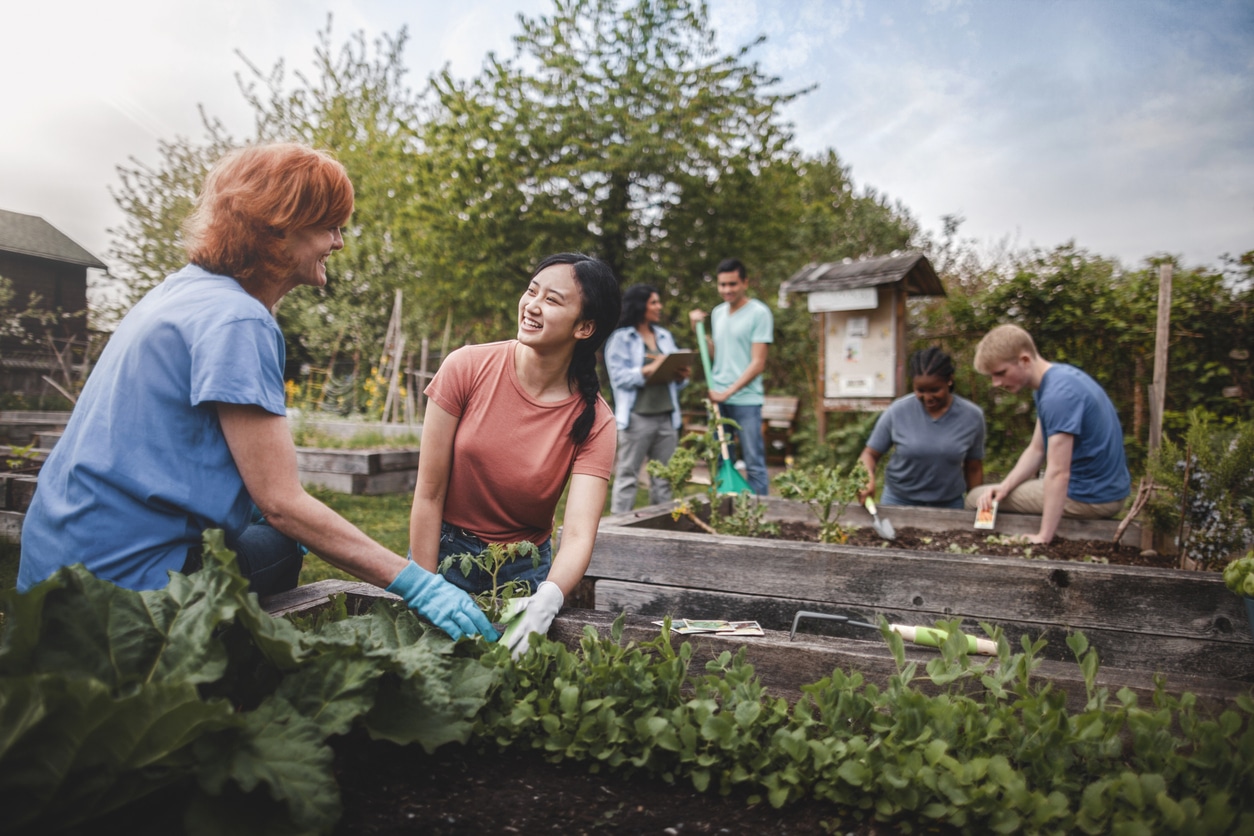
Volunteering, in particular, provides invaluable opportunities for young people to reach beyond themselves, demonstrate leadership, develop new skills, and build genuine connections with peers and adults. When young people help others, they gain a deeper understanding of the challenges people face, which builds empathy and compassion.
Civic engagement and volunteering not only build a sense of purpose but also foster a sense of responsibility for the well-being of others and their community. Volunteering alongside others who share similar values and interests can lead to new friendships and a stronger network. These new friendships can cultivate a sense of teamwork and belonging, which are additional protective factors crucial to emotional well-being.
The Takeaway
The benefits of community service and helping others are immense, and they contribute to building protective factors for young people. Volunteering and building relationships strengthen young people on an individual, relational, and communal level and provide a crucial buffer against adversity.
By working to solve a social problem — whether related to hunger, housing, the environment, or another issue they care about — young people gain a sense of empowerment as they learn their actions can make a difference. These experiences help to replace feelings of hopelessness with the belief that they can contribute to a brighter future.
Learn more and download our Empower & Engage Guides and Workbooks
- Empower & Engage Mini Workbook. Support your family by focusing on what’s in your control and strengthening decision-making skills, personal agency, and the confidence to shape their own future.
- Built to Thrive Full Workbook. The Empower & Engage workbook is part of Built to Thrive, an interactive workbook created by The Steve Fund.
- Empower & Engage: Protecting Mental Health Through Service & Social Change Guide. Getting involved with your community through service and volunteering is an important way to create positive change and support mental well-being.
Explore all THRIVE toolkits:
References
- Baller, Hoyt, Pachucki, NIH, PubMed, 2018, Impacts of Adolescent and Young Adult Civic Engagement on Health and Socioeconomic Status in Adulthood
- U.S. Surgeon General, NIH, National Library of Medicine, 2021, WE CAN TAKE ACTION – Protecting Youth Mental Health – NCBI Bookshelf