
Do you notice thoughts and feelings showing up before, during, and after you create and post your photos, personal beliefs, or information on social media? A range of thoughts and feelings are a normal part of the creative process.
Research shows that the creativity involved in posting online can actually support your mental health and emotional well-being. At the same time, the thoughts and feelings that come up during and after you post need to be handled carefully to have more digital peace than digital stress in your life.
Digital peace and creativity
Let’s explore the difference between digital peace and stress and their relationship to the benefits of creativity. First, some definitions:
- Digital peace can be understood as knowing your relationship with social media well enough to benefit from its most useful parts.
- Digital stress describes how social media use can lead to challenges with how you think, feel, and experience these moments in your body.
Using digital platforms to creatively communicate, share knowledge, and highlight important experiences is a path towards more digital peace. Your creativity can be strengthened when you record, store content, and upload information to your networks. These steps build the “creative muscles” you use to capture new ideas, express yourself, track your projects, make improvements, and observe others’ work for inspiration.
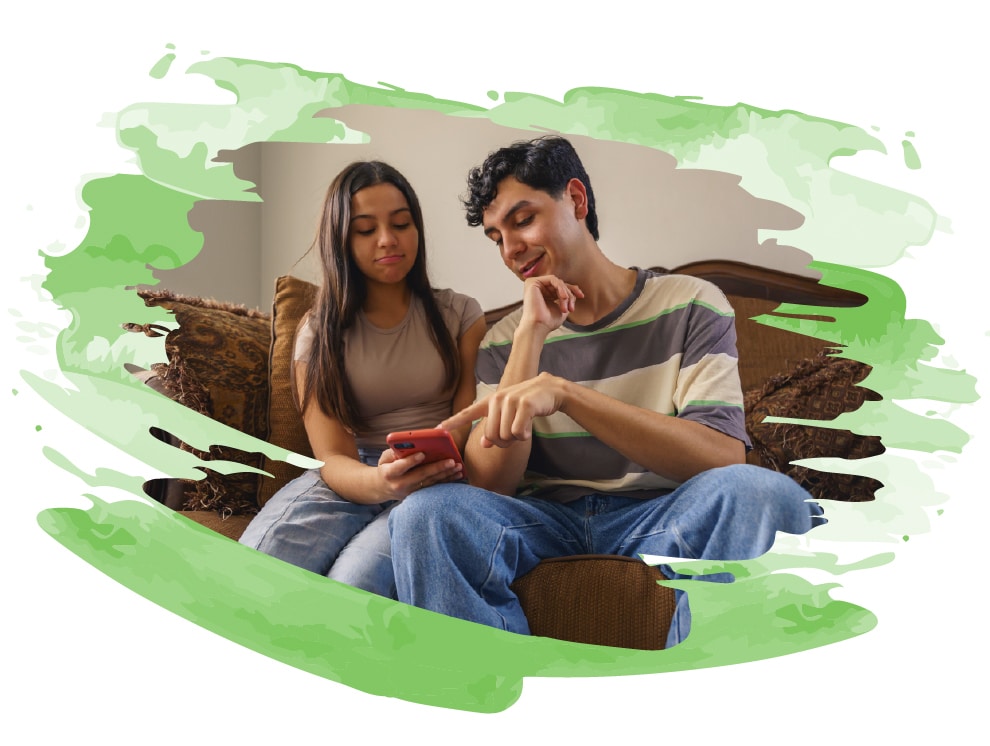
People’s reactions to your posts can boost your confidence, self-esteem, and personal satisfaction. However, at other times, you may notice having more challenging thoughts and feelings while you create and after you post. These thoughts and feelings can be connected to forms of digital stress such as social comparison anxiety, fear of missing out, and lower self-esteem.
So, how do you share online without losing yourself in the platforms?
Personal reflections
My early social media use often shaped my relationship with my sense of self. I noticed that I enjoyed the creative process of showing the world who I was. Over time, I also had growing anxiety that those parts of myself would be judged. This anxiety diminished my sense of joy in the creative steps I had grown to love.
Most of the time, I had positive feelings when thinking through what to say or show, building the post, and interacting with feedback and comments. However, other experiences became more emotionally difficult, especially if I compared myself to others. These comparisons were hardest on me when I felt that others were better than me in ways that were important.
How can you share online without losing yourself?
Eventually, I became better at noticing when my creative process was being overwhelmed by forms of digital stress. I also learned how common social comparison anxiety was for young people on social media. My strategies for supporting myself through these moments include
- Revisiting the reason for my post
- Observing my thinking patterns to pause on comparisons
- Giving myself grace for having any difficult thoughts at all
As I practiced and gained experience, it became easier to keep my well-being at the center of how I used social media.

Try these action steps to support yourself as you move towards the level of well-being you seek — and deserve.
The Takeaway & Closing Reflection
I am still finding my own way towards digital peace. With effort, I have learned to stay grounded while creating and publishing content that reflects who I am and what I care about. Like me, you already have what you need to add more digital peace into your life. The action steps below can support you in taking a few steps towards the level of well-being you deserve.
Strengthen your creative practices.
To benefit from the good of social media and lower your digital stress, you can focus on strengthening the creative upsides of content creation. These strategies can include:
- Having a clear sense of your post goals
- Paying attention to your inner world
- Keeping yourself connected to the creative process itself
Care for yourself after you publish.
Because the risk for digital stress in the creative process is higher after publishing content, it is important to have strategies for managing the time period after. These strategies can include:
- Checking for signals of digital stress
- Planning activities that do not involve your device
- Preparing yourself to receive feedback about what you have shared
Use a reset toolbox for hard moments.
As you get better at noticing digital stress signals, you may feel a need for additional strategies that support you through these hard moments. Spending time building up a reset toolbox of creative practices can help you to lower your stress from comparison anxiety. This effort can also help you draw on the creativity needed to build the kind of toolbox that suits your needs.
Explore all of the Create content about digital peace activities:
- Create-Digital Peace Article: How to Share Online Without Losing Yourself
- Create-Digital Peace Activity 1: Strengthen Your Creative Practices
- Create-Digital Peace Activity 2: Care for Yourself After You Publish
- Create-Digital Peace Activity 3: Create a Reset Toolbox for Hard Moments
References
- American Academy of Pediatrics, Social Media and Creativity, Q&A article
- Wijetunge, M. N. R., Flake, L., & Jayadas, A. (2025). The impact of social media creativity on self-esteem and confidence: A qualitative study among the university students in the USA. A & B e-journal, 1(2), 11–24.
- Midgley, C., Thai, S., Lockwood, P., Kovacheff, C., & Page-Gould, E. (2021). When every day is a high school reunion: Social media comparisons and self-esteem. Journal of Personality and Social Psychology, 121(2), 285–307. https://doi.org/10.1037/pspi0000336
- Cully, J.A., Dawson, D.B., Hamer, J., & Tharp, A.L. 2020. A Provider’s Guide to Brief Cognitive Behavioral Therapy. Department of Veterans Affairs South Central MIRECC, Houston, TX.